
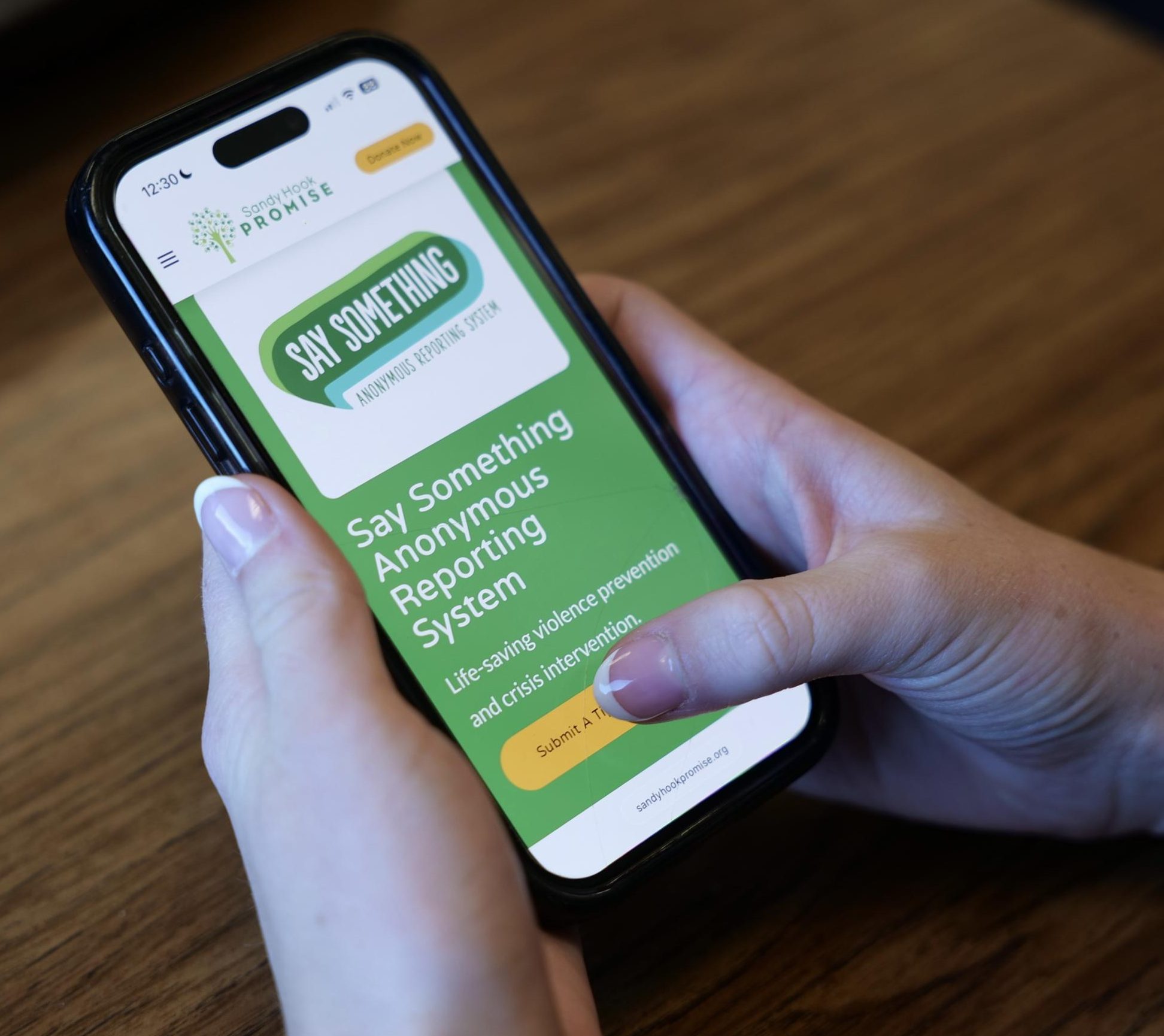
In an effort to improve student safety, Brea Olinda Unified School District (BOUSD) introduced Sandy Hook Promise’s Say Something Anonymous Reporting System to all district schools beginning second semester of the 2025-2026 school year.
The program enables students to contact trained crisis counselors via the Say Something website, phone call (1-844-572-9669), texting (“tip” to 79775), and a mobile app to make anonymous reports about student safety-related incidents, such as bullying, self harm, or signs of intended violence.
The system was developed by the Sandy Hook Promise Foundation, a national nonprofit founded in memory of the victims of the 2012 Sandy Hook Elementary School shooting, which resulted in the deaths of 20 children and six adult staff members. The foundation’s mission is to “honor all victims of gun violence by turning tragedy into a moment of transformation.”
Thus far, the Say Something Anonymous Reporting System has saved 1051 lives and prevented 19 planned school shootings nationwide.
BOUSD was prompted to join the program by Dr. Cary L. Johnson, assistant superintendent, who had experience with the Say Something reporting system in a previous district.
According to BOHS assistant principal Bryson Burns, the district aims to “clean up” available crisis hotline numbers — which vary between district schools — and to ensure that anonymous tips are responded to outside of school hours.
Prior to the introduction of the Say Something reporting system, students accessed the Text-A-Tip crisis hotline. The tip line, which is still active for student use to report campus-related issues (such as vandalism, water leaks, and other facilities issues), is only monitored by BOHS administrators during school hours. Say Something, on the other hand, is active 24 hours a day, 365 days a year, and is better equipped to handle life-threatening and student safety crises.
“[Say Something] is a more robust system that includes many different resources that contribute to student and school safety,” Burns said. (Burns also acknowledged that Text-a-Tip will eventually be phased out.)
Campus-wide roll-out of the system began the week of Jan. 4 with students watching a Sandy Hook Promise Foundation-produced 25-minute long training video in their English classes on how and when to use the Say Something Anonymous Reporting system. Posters with phone numbers, QR codes and the system’s contact methods and steps are posted across campus, from hallways to teacher classrooms.
The new system also ensures total student anonymity, which wasn’t always the case with the Text-a-Tip. Last year, BOUSD observed privacy issues at Brea Junior High School, where the anonymous reporting form which recorded student tips, including the sources of the tips, was leaked, with the information spread amongst the campus’s students.
Tips sent to the Say Something reporting system, whether by phone or the internet, go directly to the service’s crisis center. Trained counselors then assess the credibility of the tip, assist the reporter of the tip in real-time, and, if deemed a serious enough threat, contact 9-1-1, school officials, and local law enforcement.
BOHS administrators, including principal Joey Davis, hope that the new system will give students a “sense of comfort” when reporting incidents and seeking help. With the Say Something Anonymous Reporting System, “students can tell [someone] if they are struggling,” Davis said.