

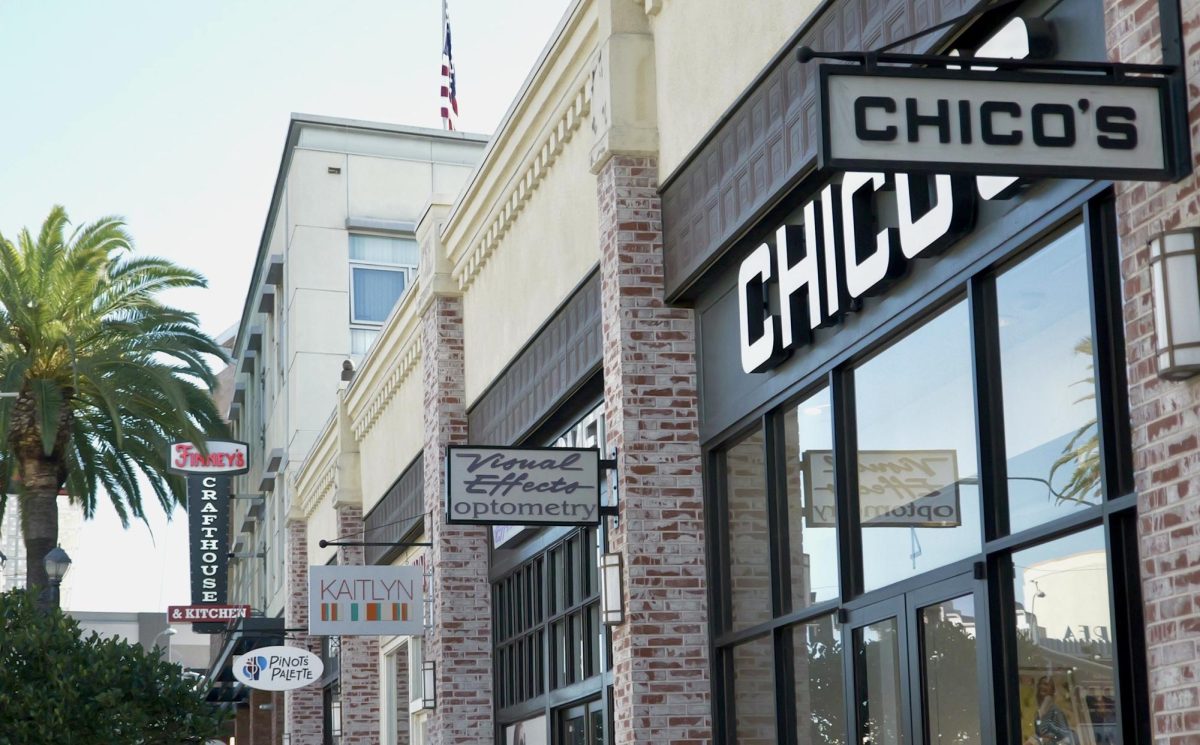
To keep up with the state’s rising cost of living, California’s minimum wage earners saw a 40 cent bump in their hourly pay beginning Jan. 1.
Under the 2016 California Senate Bill 3 (SB 3), annual adjustments are made to match increases in the average price of common goods, otherwise known as the Consumer Price Index (CPI). This year, California’s minimum wage rose from $16.50 to $16.90 to match a 2.49% increase in the cost of consumer goods and services from July 2024 to July 2025.
The adjustments are meant to “bring the wage back up to where it was after adjusting for inflation,” economist and UCLA professor Jerry Nickelsburg said in an email to the Wildcat.
Cities and counties throughout the state are allowed to increase their local minimum wage above the statewide minimum based on a community’s higher cost of living or lobbying from worker’s rights groups. For instance, West Hollywood set a $20.25 minimum wage due to a local hospitality worker union’s campaign, and Pasadena established a $18.04 wage that intends on “reducing poverty.”
The increased hourly wage — which was already double the national minimum wage of $7.25 an hour — is good news for Brea Olinda High School’s teen workers.
Jenna Gomes (‘26), a part-time sales associate and babysitter who works up to 20 hours a week, said, “For students, an increase in wages can make working more worthwhile, especially when balancing school and many other responsibilities. I make school a priority, but I will definitely work more.”
For Ramona Stricker (‘26), currently employed by Kumon Math and Reading Center of Yorba Linda, the wage increase — which will add about $250 of income based on the amount of part-time hours she works — further boosts financial autonomy, allowing her to cover personal costs, such as hanging out with friends, paying for meals, and saving for the future.
“40 cents does add up, and I end up making more than usual,” Stricker said. “I don’t have to ask my parents for things as much, because now I can just buy it myself.”
The higher wages are also recognition of the physical and emotional demands of working an entry-level job, according to Trader Joe’s employee Karla Yoell (‘25).
“You deal with customers, you deal with heavy lifting…it’s pretty hard work,” Yoell said. “It’s important that these entry-level jobs have fair and decent pay because people need to make ends meet.”
While SB 3 states that the higher wages are intended to “maintain employee purchasing power diminished by the rate of inflation during the previous year,” they also burden businesses.
“Increased minimum wage leads to increased prices,” Stephen Teal, AP Economics teacher, said. “At the end of the day, most businesses split the [lost profit] by firing workers and raising prices.”
Small businesses manage the added cost of labor by raising prices, cutting worker’s hours, and taking away employee benefits. Because wages rise immediately while customer demand may not, business owners are pressured to make short-term adjustments to remain profitable, according to research from the Internal Revenue Service (IRS) Statistics of Income Division.
In Brea, small business owners such as Bobaflip owner Katrina Bala are considering raising menu prices and hiring fewer employees to offset payroll expenses.
“As much as we want to absorb these increases, we need to find balance, and unfortunately, some of these are passed on to our customers,” Bala said. “It will definitely increase our [labor and inventory] cost and affect our profitability.”
Though bumping prices up can decrease customer satisfaction, small businesses, such as Yasia Japanese Grill, prioritize retaining employees, according to owner Ellen Kim. The indispensability of her workers leaves menu mark-ups as the only viable defense against rising labor costs.
“You can alleviate the problem by raising prices on the products, but that means discouraging customers from buying the products,” Ellen Kim, owner of Yasia Japanese Grill, and a Brea resident, said. “All of my employees are crucial in operating the business, so I have to estimate and raise the prices on my products to keep the business stable. The raise in minimum wage is making it extremely hard to survive.”
While larger businesses, like Starbucks and Target, are able to “absorb higher costs” due to higher cash reserves and profit, according to the Wall Street Journal, small businesses such as Bobaflip and Yasia have thinner margins, and thus are forced to raise the prices of their menu items.
Still, Eugenie Kim (’26), an employee at small business, Teaspoon, believes, “A higher minimum wage reduces financial stress, but I understand that businesses [will] struggle keeping up with the wages. It’s overall a benefit, but has its cons.”