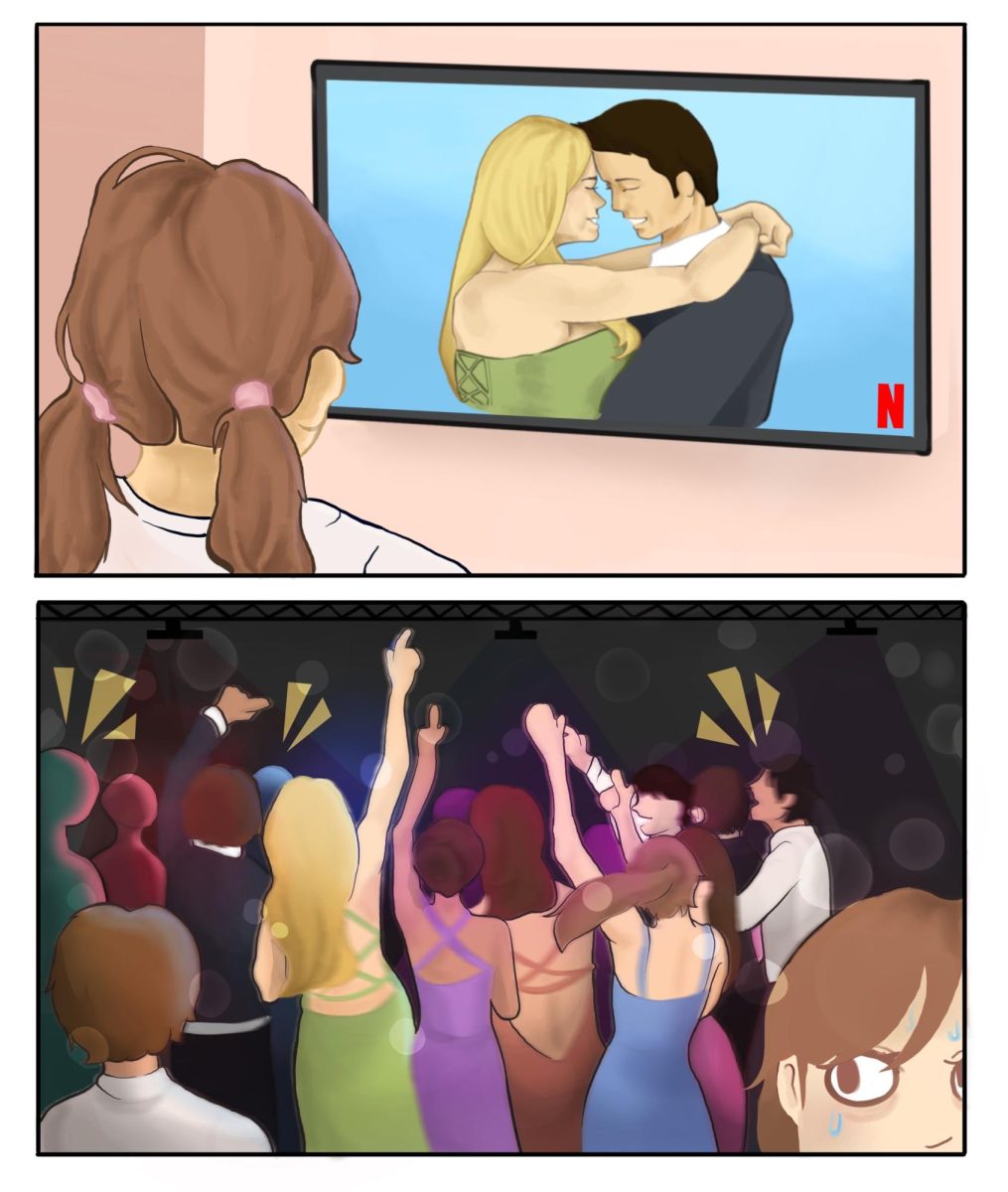



In the sixth grade, my favorite TV show was Glee, and not just because of the fun choreography and the hilarity of watching Finn praying to a grilled cheese sandwich, but because of McKinley High School’s guidance counselor, Emma Pillsbury. Pillsbury struggled with Obsessive Compulsive Disorder (OCD), which manifested in sticking to a rigid routine (like arranging her food by color), to avoid uncomfortable situations. The behaviors were calming rituals for her debilitating anxiety.
Glee’s portrayal of Pillsbury’s anxiety, however, was embellished, unrealistic, and played for laughs, which, as I reflect on my once-favorite show now, at 16-years-old, is devastating. I was seeing parts of myself on the screen, but I did not realize at the time that that “representation” was just a punchline.
While watching Pillsbury obsessively scrub grapes might make for a funny visual, it diminishes the complexity and internal strife that actually constitute anxiety.
TV shows and movies consistently distort anxiety.
Girl, Interrupted, for instance, features a scene where Susanna Kaysen suddenly decides she is “cured,” reducing the complex, long-term process of treating anxiety to a fleeting moment of “resolution.”
In Euphoria, Cassie Howard’s panic attacks are more for the chaos they invite than an honest representation of anxiety.
In Shameless, while Sheila Jackson’s obsession with cleanliness and her agoraphobia are rooted in reality, the show pokes fun at her behaviors, rather than treat these very serious conditions with the care and respect they deserve.
These shows dramatize and diminish anxiety, using it to cartoonish extremes and as convenient plotting.
“Anxiety,” by definition is an emotion “characterized by apprehension and symptoms of tension,” triggered by feelings of “impending danger, catastrophe, or misfortune.”
For those of us in high school, anxiety might look like rereading the same sentence over and over because our minds won’t focus; overanalyzing a simple conversation (and all of its possible outcomes) for hours afterwards; feeling physically sick before a big test or presentation; and avoiding things we used to enjoy (without fully understanding why).
Glee’s portrayal of anxiety ignored the internal distress and instead focused on external behaviors, and usually for laughs. This reduces mental illness to a personality trait — a quirk — rather than a serious condition. But anxiety isn’t a trope, a trend, or a punchline.
The reality is, roughly one in three adolescents will experience an anxiety disorder, making it one of the most common mental health struggles amongst teens. Over 70% of teens say anxiety and depression are major problems among their peers.
When anxiety is portrayed inaccurately in entertainment, it becomes harder for people to recognize it in themselves. If it doesn’t resemble the exaggerated, comedic, or even glorified versions shown in shows like Euphoria, with characters like Rue Bennett, who, during a severe drug withdrawal, turns to violence — overlooking the internalized (and often paralyzing) nature of anxiety. Otherwise, the only mention of Rue’s anxiety throughout the series is when it is convenient to the plot, and completely disregards the consistent, long-term impact of mental illness. This misleading depiction makes it easy to dismiss the relentless stomach aches and panic attacks as “just stress” or assume it’s not something serious enough to matter.
Misportraying anxiety in media — whether through romanticizing, exaggerating, or minimizing — has real long-term consequences: perpetuating stigmas, discouraging people from reaching out for help, and misinforming people about treatment.
That misunderstanding can hold people back from seeking help, or even acknowledging that they need it.
At BOHS, this means that valuable mental health resources like the PAWS WellSpace and the counseling department might be overlooked or underused. Students struggling with anxiety might not even realize it, or may not think that their issues warrant needing or using these resources.
Generalized Anxiety Disorder involves constant, excessive worrying that often feels out of our control and interferes with daily life. At school, that might look like being unable to concentrate on a final worth 30% of a grade or skipping practice because of a panic attack. It might also look like avoiding family and friends or dodging important events because of anxiety-induced headaches or other physical pains.
Social Anxiety Disorder can make everyday interactions like talking in class, walking into a room, or just making eye contact, feel overwhelming.
For high school students, these events are daily ordeals. Experiencing anxiety isn’t an anomaly, it’s something we live with.
There’s a direct correlation between academics and anxiety: roughly 68% of teens report having severe academic stress because of heavy workloads, tests, and peer competition.
But the way anxiety shows up in real life often doesn’t match what we see on the screen.
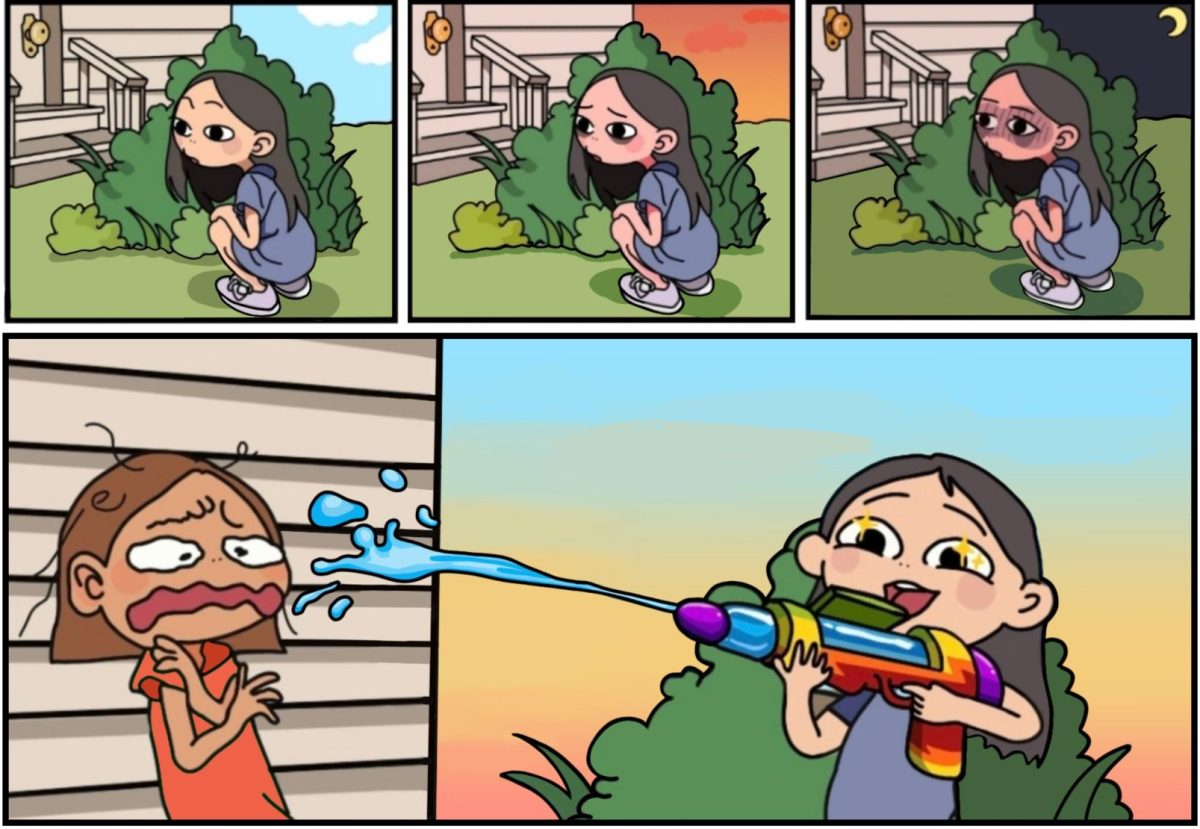
In both TV and movies, anxiety is exaggerated into visible breakdowns or minimized into quirky habits. In reality, it’s often invisible. A student can be in AP Physics, Link Crew, Mock Trial, and maintain a social life while also internally — invisibly — dealing with constant overthinking, self-doubt, and mental exhaustion. Anxiety doesn’t always mean stopping someone from functioning, it just makes it a lot more difficult.
This disconnect between representation and reality matters because for many students, anxiety is a part of their daily lives, and the consistent misrepresentation of it in TV shows that frequently oscillate between extreme, over-the-top portrayals and trivialized “eccentric” character traits, does a profound disservice to those of us who live with anxiety.
Only through accurate storytelling can we close the gap between televised fiction and lived experiences.