
At first, I wrote off journaling as a corny assignment from my therapist.
It felt awkward, uncomfortable to sort through my thoughts and emotions on paper. Journaling felt, originally, like an assignment for school.
But I soon realized that writing out how I really felt about a fight with my mom, a conversation with my friend, or even a passing thought about a new celebrity crush, allowed me to reflect on my life in a way I never had before.
By filling a few pages in a notebook with emotions I didn’t dare speak out loud, I didn’t just discover the value in journaling, I believed in it. Writing in a spiral-bound sketchbook became a private forum where I could share my thoughts, and even laugh and cry and heal with each scribbled word. Journaling was freeing, a quiet dissent from my too-common habit of holding all of my emotions inside.
Writing each thought (the good and the bad) forced me to express how I felt rather than stewing in my anxieties and sadness until the feelings passed. This new habit — and in time, journaling did become habitual — brain-dumping helped me clarify each emotion, shedding light on things I didn’t even realize mattered to me, like a recently discovered song that made me feel seen or an old memory that carried more weight than I originally thought.
Journaling is more than a hobby, it’s a pivotal part of self-understanding, and it’s a reflective practice that’s been around since ancient Babylonians etched their thoughts in clay and Egyptians decorated scrolls with their daily lives. People have been recording their inner selves for millenia.
As teenagers, emotional clarity matters. In fact, expressive writing, like journaling, can improve mental and physical health by helping us process our emotions, rather than avoiding them. There’s no audience, no pressure to sound composed, no expectation to have the “right” take. The benefits of journaling range from stress reduction to increased self-awareness to improved sleep, all from the simplest action: writing.
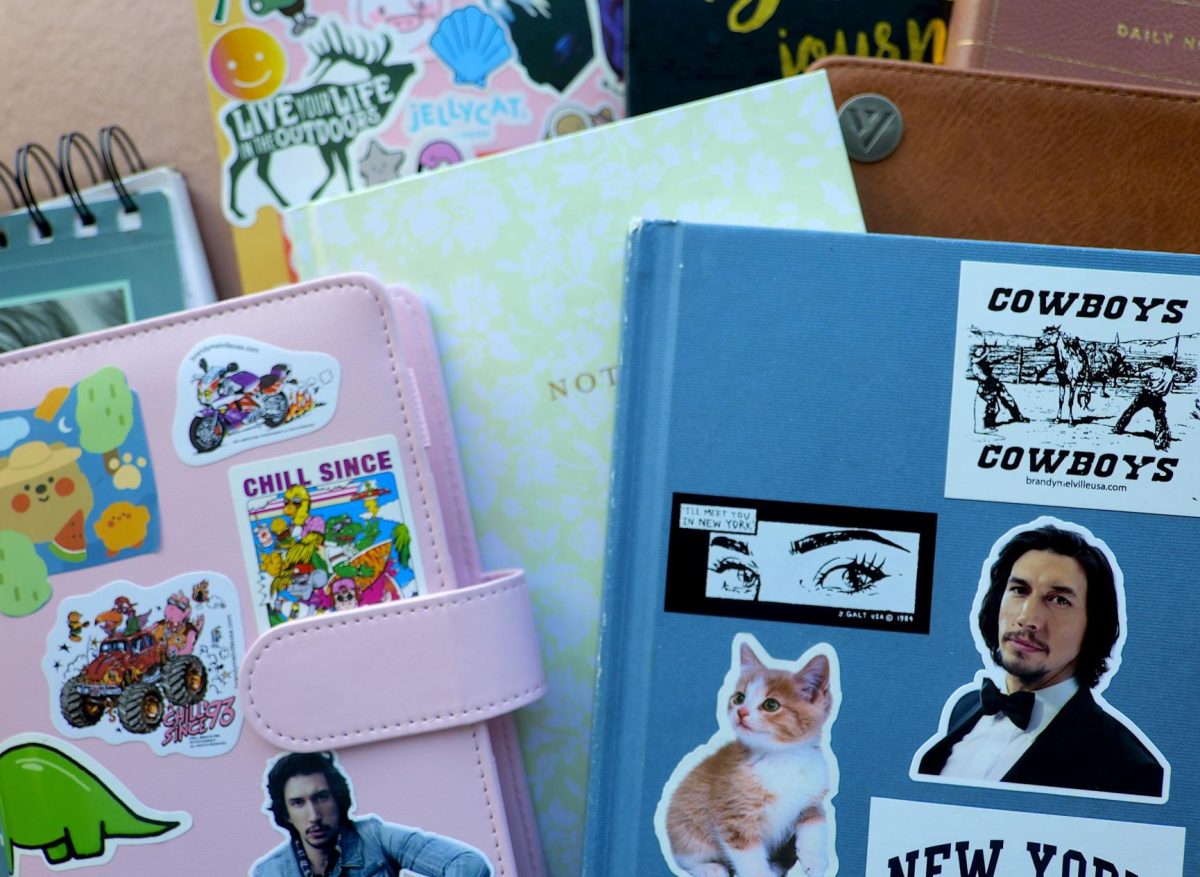
While emotionally freeing, one of the joys of journaling is the many ways to personalize it. There are thousands of bound journals to choose from, from gratitude journals, to bullet journals, to leather-bound journals, to Target-bought spiral-notebooks. (Brea’s Barnes and Noble has an especially large selection of journals and notebooks.)
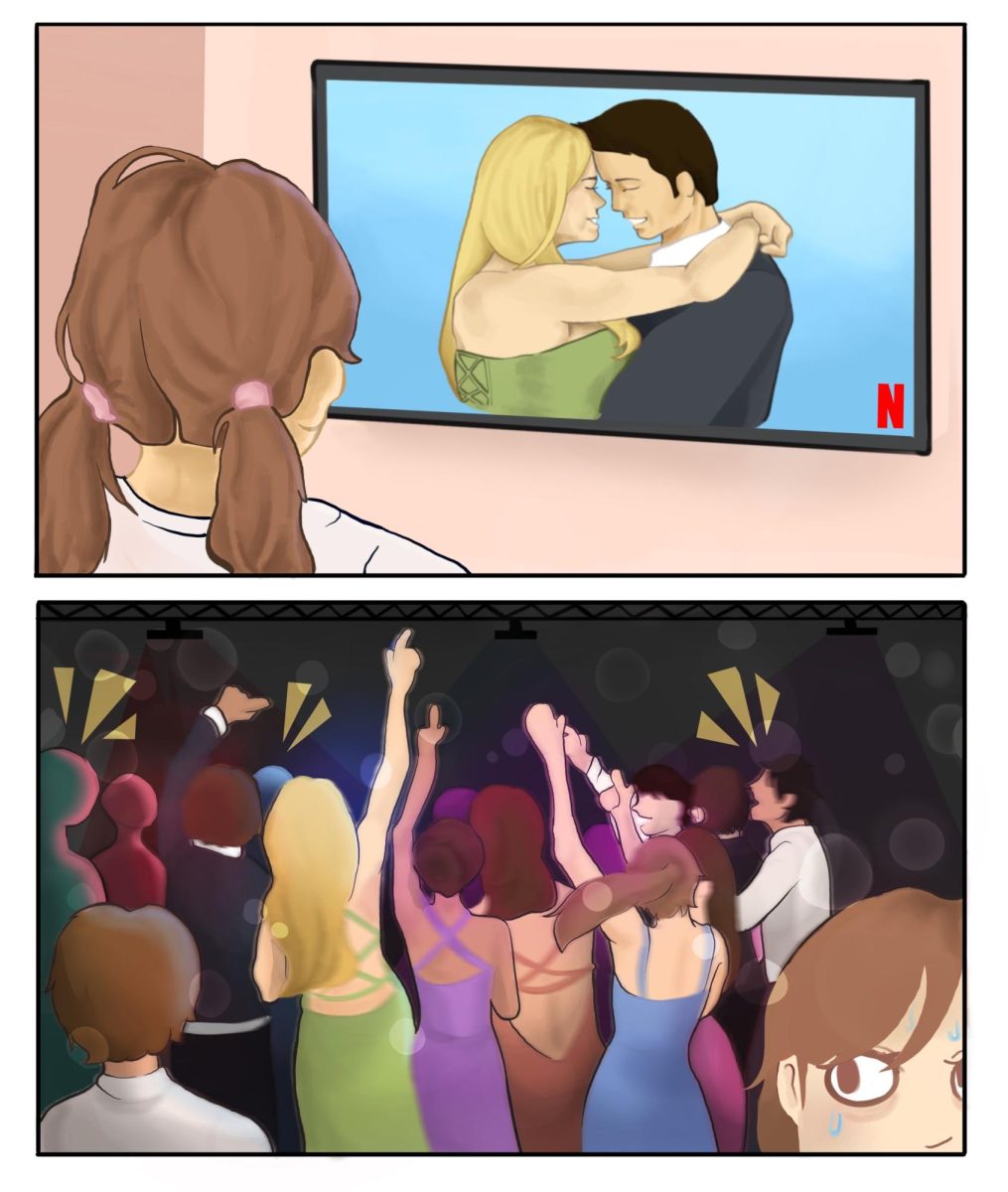
One of the greatest joys of journaling, however, is how quickly a book of blank pages can turn into an archive of our lives. Flipping through old entries doesn’t just delineate what happened on some random day from when we were 15-years old, they serve as reminders of the moments that matter, the moments that shape us — an entry after the Homecoming dance, another from a particularly rough day in the classroom, some wisdom gleaned after a painful breakup.
That time capsule is specific to you, and only you, and there’s something really special about that.
And journaling doesn’t just help in a single moment — it creates perspective over time.
I often look back on old entries and gain much-needed insight and perspective on who I was (someone who didn’t know they had a voice), on who I am (someone who is learning to use their voice), and on who I am becoming (someone whose voice won’t be muted).
Those old entries remind me that even my most confusing and complex emotions do pass, and that I do grow.
At an age when many aspects of our lives are fleeting — from disappearing Stories on Instagram to defunct apps to 10-seconds-then-they’re-gone Snaps, journals are tangible, solid, and real; journals really are forever. (Truly. Egypt’s Diary of Merer dates to 2570 B.C.)
Journaling is a habit that we should all pick up as an act of preservation, self-evolution, and enjoyment. Journaling protects our memories and our mental and emotional well-being simultaneously.
Years from now, as memories of BOHS fade away, our journals will remain; not only as imperfectly written records, but as proof that we learned, felt, and grew.