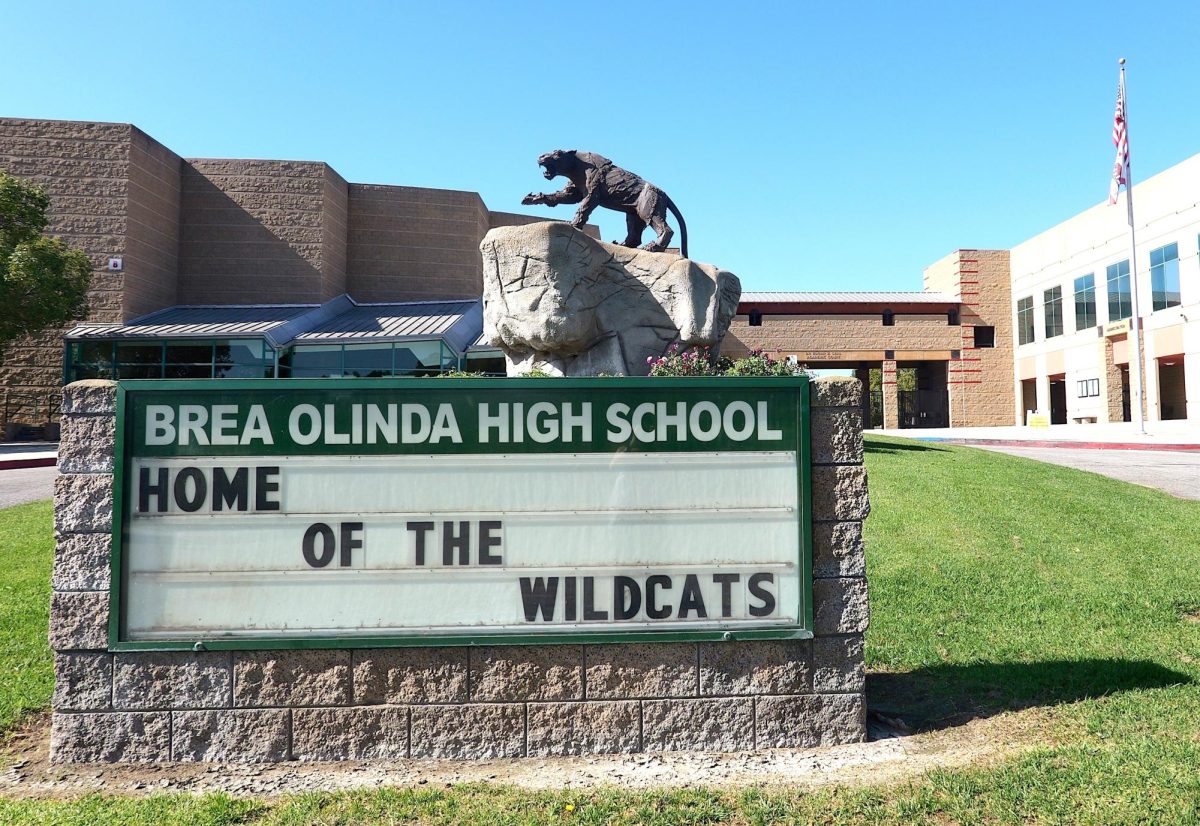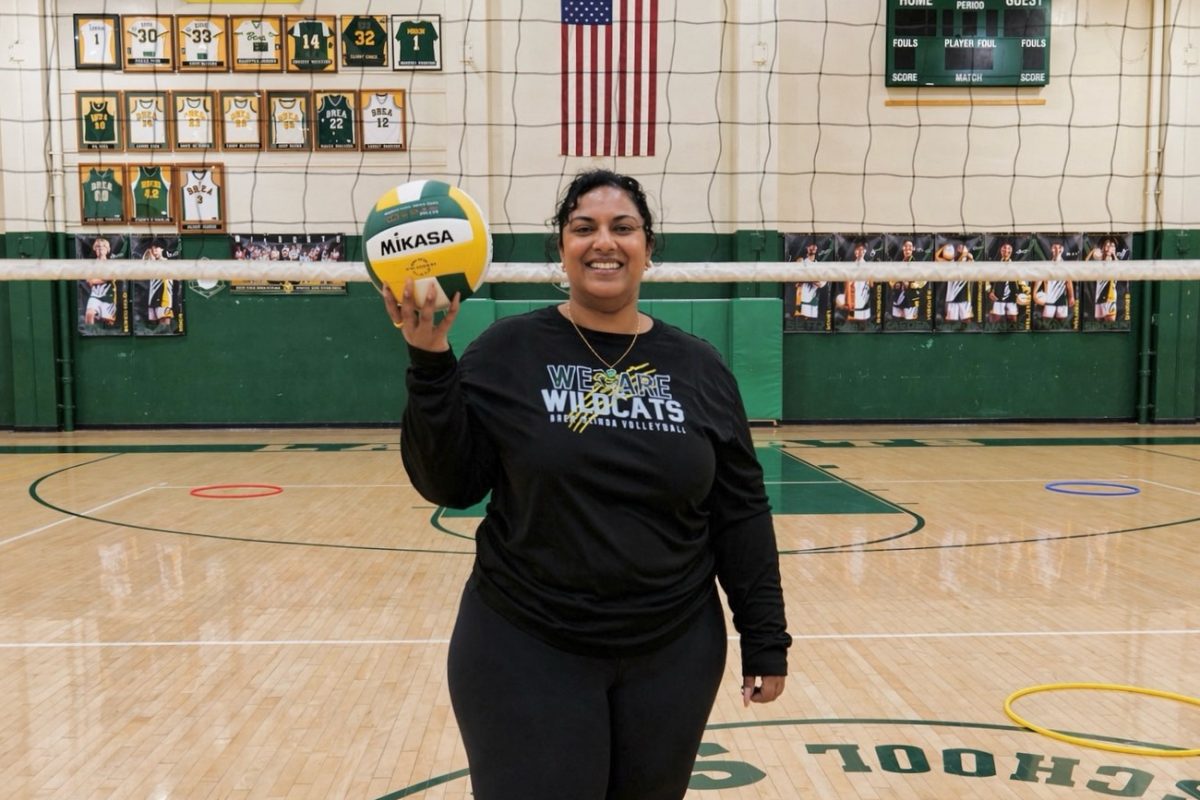

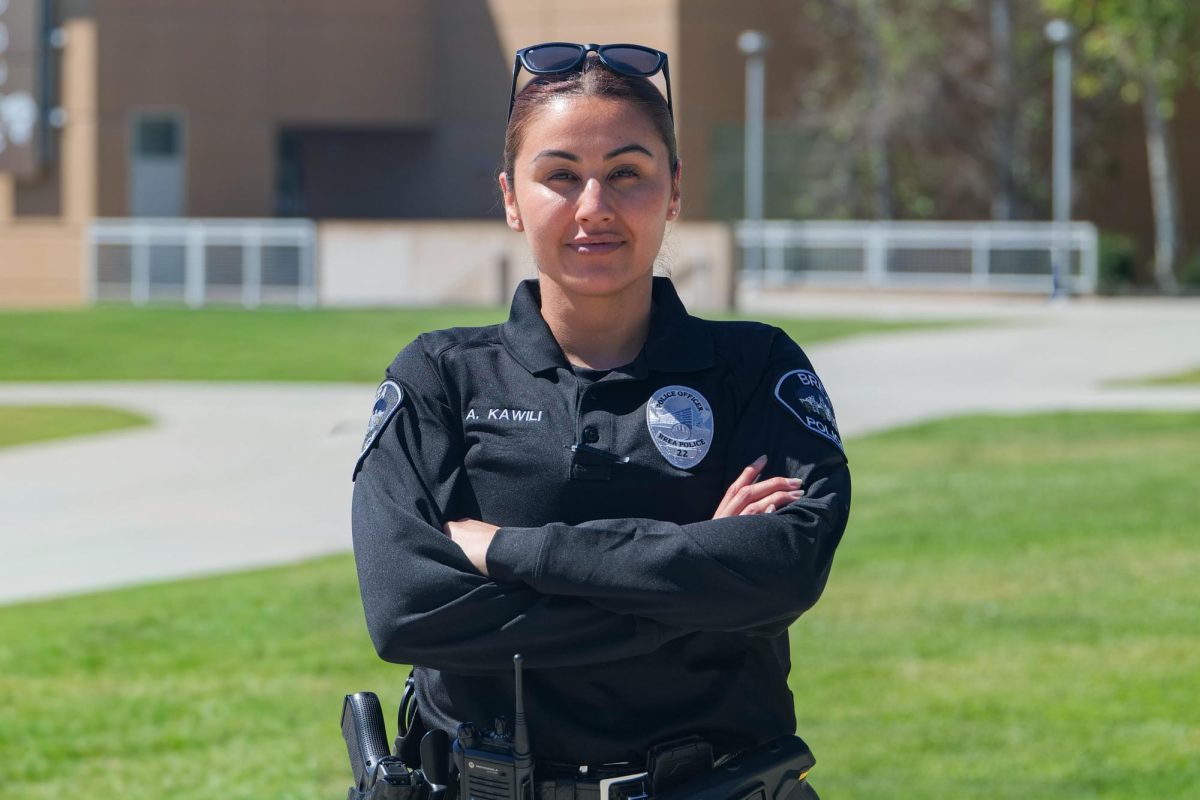
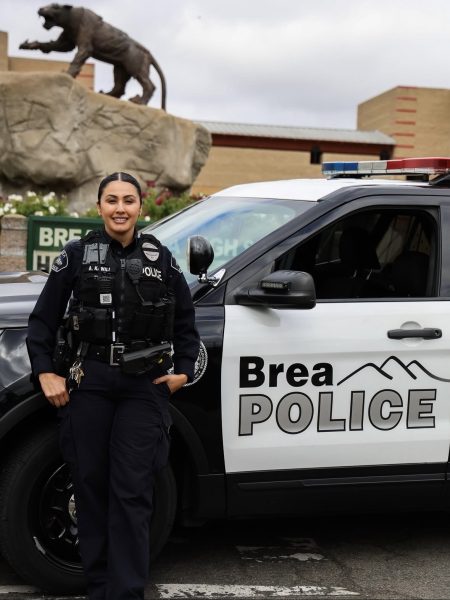
On any given afternoon, Officer Anahi Kawili of the Brea Police Department travels between the nine Brea Olinda Unified School District campuses as more than a law enforcement presence – she serves as a mobile support system for students navigating challenges both inside and outside of the classroom. As a School Resource Officer (SRO), Kawili prioritizes helping the district’s 5,895 students work through difficult situations, ensuring community safety, and building relationships.
Kawili balances safety with approachability, spending her days responding to campus incidents while making time for the smaller parts of the job that don’t show up on reports. Students often meet with the Buena Park native one-on-one to talk through issues at home or school, where she listens, asks questions, and helps them weigh their options rather than telling them what to do. For Kawili, the goal is simple: to be someone students feel comfortable turning to.
Law enforcement wasn’t Kawili’s original plan. After earning an associate’s degree in criminal justice and a bachelor’s in psychology from Argosy University, Kawili spent nearly a decade working in real estate with family. But with encouragement from her sister, Gina Bautista, a L.A. County deputy sheriff, Kawili traded MLS listings for a police badge and squad car.
The pivot wasn’t entirely unexpected. Kawili’s decision – and ultimately her approach to policing – was shaped by her childhood in Buena Park, where a SRO supported her family during a difficult time. That experience drives her to focus on building trust through conversation and interpersonal connections.
The Wildcat: Were there any experiences or people that inspired you to make a switch from real estate to law enforcement?
Officer Kawili: During the end of my career in real estate, we were going through a recession, so 2007–2008, and real estate was really, really difficult at that time. My sister had left real estate and she had started her law enforcement career. And so she really inspired me to kind of go after what I wanted to do.
The Wildcat: What was the process for you to enter law enforcement and complete your training?
Officer Kawili: I started with L.A. County Sheriffs in 2016. I applied, and it was a really long application, like 50 pages long. Once I submitted my application, I had a background investigator reach out to me, and it took about another three months for them to complete my background. They basically check all my emails, all my social media. They come and talk to my neighbors, they talk to previous employers, they talk to family members. They are basically vetting that I’m a good person.
After they did all that, they scheduled me for a physical agility test. I did the physical agility, I did the medical, and then they gave me an academy date. Once I started the academy, it was basically six months of just academy. It was my job – eat, sleep, work. That was my life for six months.
I graduated from the academy, then I started at the women’s jail in Lynwood. I was there for three years. Then I went to downtown L.A., which is the Intake Release Center (IRC). Once I decided I didn’t want to stay in L.A. and wanted to come to Orange County, the process was very quick. I was hired within a couple months.
The Wildcat: What were some of the biggest challenges you faced early in your career?
Officer Kawili: Definitely being a mom and getting into this field. I had young kids at the time. I had mother’s guilt because I was at work 10, 12, 16 hours a day, and I couldn’t really focus on being a mom full-time. I felt like I was very much a part-time mom. In real estate, I had the flexibility of working the hours and days that I wanted, so I was very, very present in their life. I went from being very present to pretty much nonexistent for six months. After that, just kind of adjusting to the culture. The culture is very different from any typical job. It’s very rigid, very black and white.
The Wildcat: What made you interested in becoming a School Resource Officer specifically?
Officer Kawili: I had a great resource officer. I grew up in Buena Park, which wasn’t the greatest area. I still remember his name, Officer Pineda. My brothers were getting into trouble constantly at the high school. This person would show up randomly at my house just to talk to my brothers, talk to my parents. He was a really, really good resource to my family, to keep the kids out of trouble. It really did help. My brothers got out of whatever situation they were in. So I feel like this stage in people’s lives is so important.
The Wildcat: What does a typical day as an SRO look like?
Officer Kawili: A typical day depends on what I have going on. Sometimes I have meetings, so I’ll start my day there at the police station, at the [school] board, or at a specific school dealing with a specific issue. I do try to visit every single school at least once a week.
The Wildcat: What are some of the most rewarding parts of working with students?
Officer Kawili: I think it’s changing their perspective and seeing that change in their face when they realize I’m not here to get [them] in trouble.
The Wildcat: How do you try to build trust and relationships with students?
Officer Kawili: Sometimes kids do things on campus that maybe they shouldn’t do, and instead of taking that opportunity to discipline them, I try to connect with them and explain to them why those are bad decisions.
The Wildcat: How has your career shaped who you are today?
Officer Kawili: It has given me a lot more grace with people. I get to see that sometimes the way we are and the people I come across, they’re not like that by choice. Sometimes life has been hard on them.
The Wildcat: What advice would you give students who might be interested in law enforcement or public service?
Officer Kawili: Come sit down and let’s have a conversation. I understand that people make mistakes – try not to make too many mistakes. Keep yourself away from people who don’t have your best interests at heart.
The Wildcat: What do you hope students take away from having an SRO on campus?
Officer Kawili: Educationally, I have a lot of kids asking me about e-bikes. I am the e-bike check here. But also perspective – if you sit down and have a conversation, I can give you a perspective you didn’t have before.
The Wildcat: Is there anything about your story that people might not know but you’d like to share?
Officer Kawili: Honestly, when I got into this field, I never thought that I’d be interested in being an SRO. I feel like kids your age don’t know the law enforcement perspective, and to me, it was a great opportunity to change perspectives and make a positive impact.